
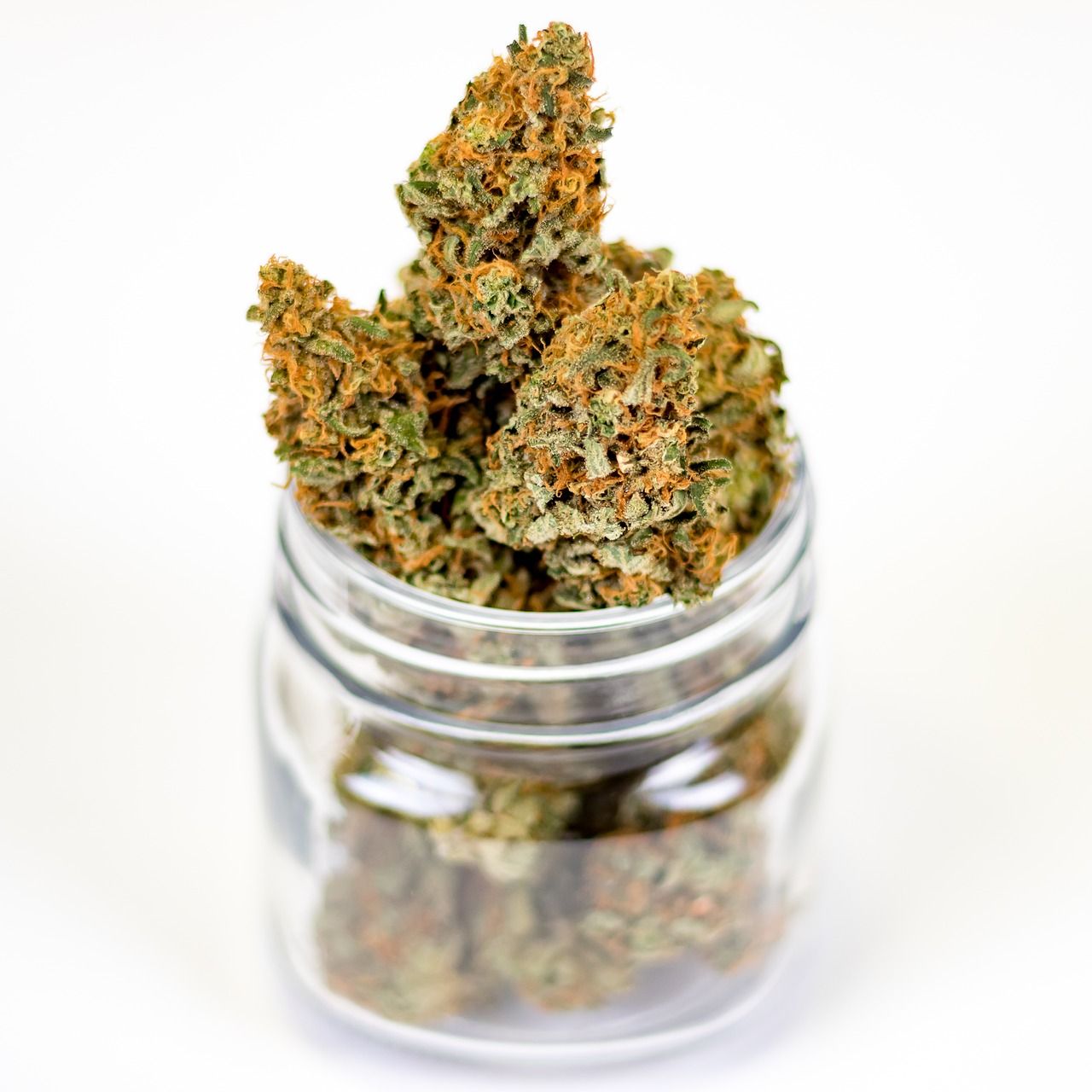
If the same amount of cannabis does not feel as strong as it once did, you are likely experiencing cannabis tolerance. Tolerance is a normal biological response that happens when your body becomes less sensitive to a substance after repeated use.
For both new and experienced consumers, understanding tolerance can help you make better choices about dose, frequency, and product selection.
What Is Cannabis Tolerance?
Cannabis tolerance occurs when the body becomes less responsive to cannabinoids, especially THC, over time. As tolerance builds, you may need more THC to achieve the same effects you once felt with a smaller amount.
Tolerance is not unique to cannabis. It also happens with caffeine, alcohol, and many medications. It is simply the body adapting to repeated exposure.
With cannabis, tolerance is closely linked to the endocannabinoid system, or ECS. This system helps regulate mood, appetite, pain, memory, and sleep.
How THC Affects the Brain
THC, or tetrahydrocannabinol, binds mainly to CB1 receptors in the brain and central nervous system. When THC activates these receptors, it produces effects such as euphoria, relaxation, altered perception, increased appetite, and sometimes anxiety.
When THC repeatedly stimulates CB1 receptors, the body adjusts in two key ways:
- It reduces the number of available CB1 receptors, a process called downregulation.
- It decreases receptor sensitivity, known as desensitization.
In simple terms, the brain tries to maintain balance. If it is regularly exposed to THC, it lowers its response.
Research shows that frequent cannabis use can reduce CB1 receptor density. The good news is that these changes are often reversible after a period of abstinence.
How Fast Does Tolerance Develop?
Tolerance develops at different rates depending on several factors:
- How often you use cannabis
- The potency of the product
- The method of consumption
- Individual biology and genetics
Daily heavy use can lead to noticeable tolerance within weeks. Occasional users may develop little to no tolerance.
High-potency products, especially concentrates, tend to increase tolerance more quickly because they deliver large amounts of THC at once.
Types of Cannabis Tolerance
There are a few forms of tolerance that consumers may experience.
Acute Tolerance
This can occur within a single session. The first inhalation may feel strongest, with later inhalations producing weaker effects.
Chronic Tolerance
This develops over weeks or months of regular use and is the most common type people notice.
Behavioral Tolerance
Experienced users may appear less impaired at similar THC levels compared to new users. This is partly biological and partly learned adaptation.
Signs Your Tolerance Is Increasing
Common signs include:
- Needing higher doses to feel the same effects
- Effects that wear off more quickly
- Reduced intensity of euphoria
- Using cannabis more frequently
For medical patients, tolerance can also mean reduced symptom relief, which may lead to increasing the dose.
Can You Reset Your Tolerance?
Yes. Research suggests that CB1 receptor function can recover after stopping cannabis use.
A tolerance break, often called a T break, is a planned period of abstinence. Studies indicate that receptor recovery can begin within a few days, with more significant improvements occurring after two to four weeks in heavy users.
Many consumers report noticeable changes after one to two weeks.
How to Manage Tolerance
If you do not want to take a full break, there are ways to slow tolerance buildup.
- Lower your dose. Reducing THC per session can help maintain sensitivity.
- Use less frequently. Giving your body days off allows receptors to reset.
- Choose balanced products. THC to CBD products may reduce reliance on high THC levels.
- Switch formats. Moving from concentrates to flower or lower-potency options can help stabilize tolerance.
Is Tolerance Always a Problem?
Not necessarily. Some tolerance can reduce unwanted side effects such as anxiety or dizziness. For regular users, mild tolerance may allow more functional use.
Issues arise when tolerance leads to overconsumption, higher spending, or diminished enjoyment. Being aware of your patterns helps you maintain balance.
The Bottom Line
Cannabis tolerance is a natural adaptation caused by changes in CB1 receptor availability and sensitivity. It develops more quickly with frequent, high-potency use and is often reversible with breaks or dose adjustments.
Understanding tolerance allows you to use cannabis more intentionally, avoid overuse, and maintain long-term enjoyment.