
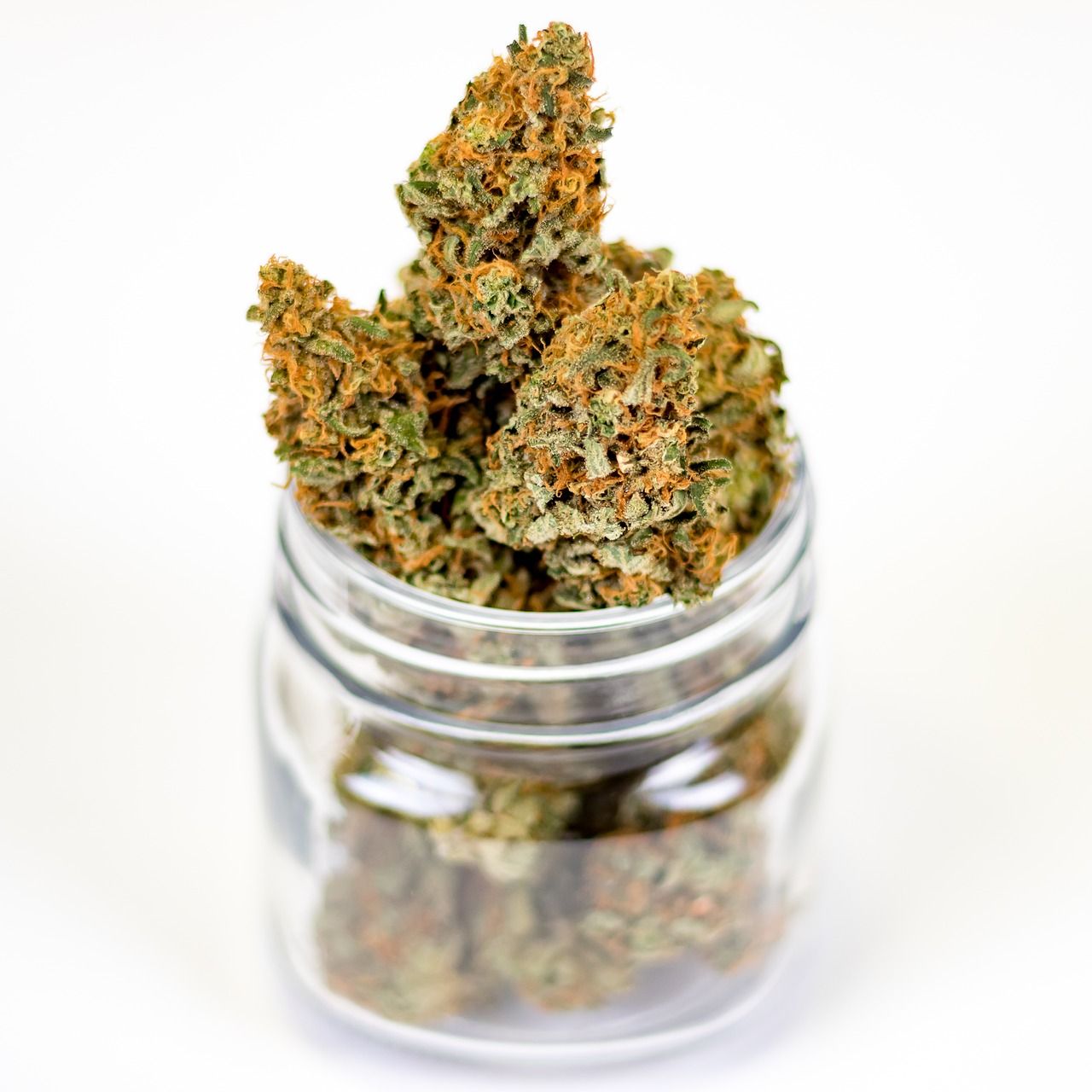
Delta-8-tetrahydrocannabinol, commonly known as Delta-8 THC, is a naturally occurring cannabinoid found in the cannabis plant. It is chemically similar to Delta-9 THC, the primary psychoactive compound responsible for the high associated with cannabis, but it differs slightly in molecular structure. That small structural variation influences how it interacts with the body and how it feels to consumers.
The key distinction lies in the placement of a double bond on the carbon chain. In Delta-9 THC, the double bond appears on the ninth carbon atom. In Delta-8 THC, it appears on the eighth. Although this difference is subtle, it changes the compound’s binding affinity for CB1 receptors in the brain, which are part of the body’s endocannabinoid system. As a result, Delta-8 THC is generally considered less potent than Delta-9 THC, though it remains psychoactive and intoxicating.
How Delta-8 THC Works in the Body
Delta-8 THC interacts with the endocannabinoid system, a complex cell signaling system involved in regulating mood, appetite, pain perception, sleep, and immune function. Like Delta-9 THC, Delta-8 binds to CB1 receptors in the central nervous system and CB2 receptors in peripheral tissues.
Consumers commonly report mild euphoria, relaxation, clearer-headed effects, increased appetite, and reduced nausea. Emerging research suggests that Delta-8 may produce fewer cognitive distortions and less anxiety compared to Delta-9 THC. However, current evidence is based largely on small studies and user-reported survey data rather than large-scale clinical trials. Scientific research on Delta-8 remains limited, and more controlled studies are needed to fully understand its pharmacology and long-term effects.
Importantly, Delta-8 is intoxicating. Even if it is described as milder, it can impair coordination, reaction time, and judgment.
Natural Versus Manufactured Production
Although Delta-8 THC occurs naturally in cannabis, it is present only in trace amounts, typically far below one percent. Because these concentrations are too low for commercial extraction, most Delta-8 products on the market are produced through chemical conversion.
Manufacturers commonly convert hemp-derived CBD into Delta-8 THC using a process called isomerization. This involves solvents, acids, and carefully controlled laboratory conditions to rearrange the molecular structure of CBD into Delta-8.
This production method raises significant consumer safety considerations. If the conversion process is not carefully controlled and properly purified, the final product may contain residual solvents, reaction byproducts, heavy metals, or other unintended compounds. Since Delta-8 products often exist in a regulatory gray area, quality standards can vary widely between manufacturers.
Legal Status and Regulatory Concerns
Delta-8’s legal standing stems from the 2018 United States Farm Bill, which legalized hemp and hemp-derived compounds containing less than 0.3 percent Delta-9 THC by dry weight. Because Delta-8 can be derived from hemp-based CBD, some companies interpret it as federally legal.
However, federal agencies have expressed concern. The United States Food and Drug Administration has not approved Delta-8 THC for medical use and has issued warnings about adverse events, accidental ingestion, and product contamination. The Drug Enforcement Administration has also stated that synthetically derived tetrahydrocannabinols remain controlled substances.
At the state level, laws vary widely. Some states allow Delta-8 sales, others regulate it under cannabis programs, and several have banned it. Consumers should verify current state regulations before purchasing or possessing Delta-8 products.
Safety Considerations for Consumers
The primary safety issue surrounding Delta-8 is not necessarily the compound itself, but the lack of consistent oversight in manufacturing and labeling.
Reported side effects include dry mouth, red eyes, increased heart rate, drowsiness, and anxiety or paranoia at higher doses. In addition, the Food and Drug Administration and poison control centers have received reports of adverse events, including hospitalizations, often linked to mislabeled potency or contaminated products.
Another concern involves product presentation. Some Delta-8 edibles are packaged similarly to candy, which increases the risk of accidental ingestion by children. Secure storage is essential.
Drug Testing and Delta-8
Consumers should understand that Delta-8 THC can result in a positive drug test. Most workplace drug screenings detect THC metabolites, particularly THC-COOH. Because the body metabolizes Delta-8 in a similar way to Delta-9, standard tests typically cannot distinguish between them.
Anyone subject to routine drug testing should avoid Delta-8 products.
Choosing Safer Delta-8 Products
Given the variability in product quality, informed purchasing decisions are critical.
Consumers should look for third-party laboratory testing, often referred to as a Certificate of Analysis. Testing should confirm cannabinoid potency and screen for pesticides, heavy metals, residual solvents, and microbial contamination. Transparent ingredient lists, batch numbers, and QR codes linking to lab results are also important indicators of product quality. The manufacturer should be clearly identified and accessible.
If a company does not provide accessible and verifiable lab reports, the product should be avoided.
Responsible Use and Dosing
For adults 21 and over who choose to use Delta-8 THC, responsible consumption practices are essential.
General guidelines include starting with a low dose, typically 5 to 10 milligrams for edibles, and waiting at least two hours before increasing the dosage. Consumers should avoid combining Delta-8 with alcohol, refrain from driving or operating machinery while under the influence, and store products securely away from children and pets.
Vaporized Delta-8 typically produces effects within minutes, while edibles may take one to two hours to fully manifest.
The Bottom Line
Delta-8 THC is a psychoactive cannabinoid that is structurally similar to Delta-9 THC but generally reported to produce milder effects. While it occurs naturally in cannabis, most commercial products are manufactured through chemical conversion from hemp-derived CBD.
Its rapid rise in popularity has outpaced regulatory oversight, creating a marketplace in which product quality can vary significantly. For consumers, education and caution are essential. Understanding how Delta-8 works, how it is produced, and how to identify reputable products can reduce risk and support safer decision making.
Delta-8 THC is not simply legal cannabis or a lighter version of THC. It is a distinct cannabinoid with psychoactive effects that requires the same level of respect, scrutiny, and responsible use as any other intoxicating cannabis product.