
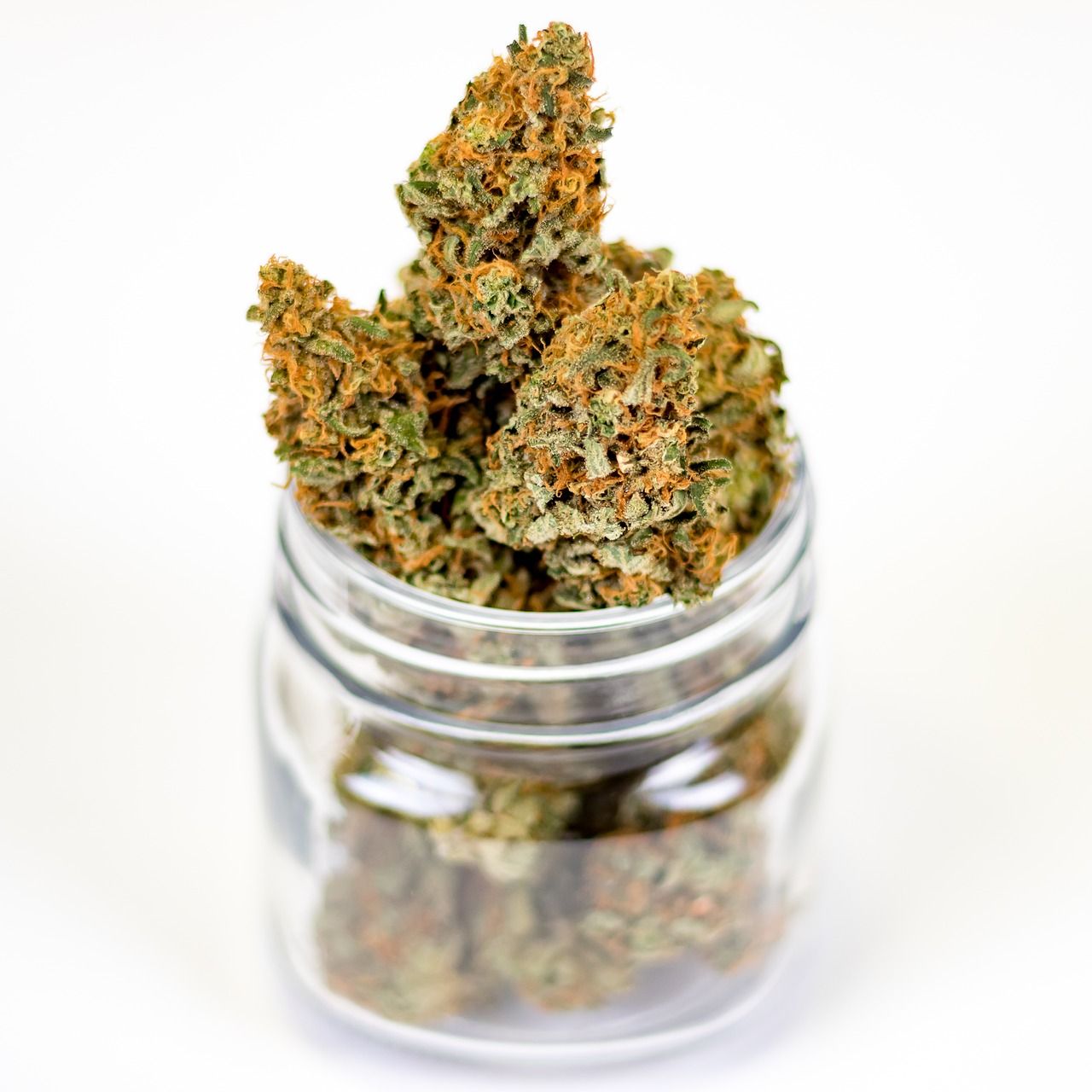
Cannabis Use and Growing Health Concerns
Cannabis use has increased significantly in recent years due to expanding legalization and shifting public perception around its safety and wellness benefits. While many consumers view cannabis as a natural alternative to alcohol or pharmaceuticals, emerging research suggests that its effects on the cardiovascular system deserve closer attention. Concerns about cannabis and heart health are growing, particularly as higher-potency products become more widely available and use becomes more frequent across different age groups. Studies indicate that cannabis, especially products high in THC, can influence heart rate, blood pressure, and overall circulation. These effects raise important questions about marijuana risks and whether cannabis is truly safe for everyone. This article explores current evidence on cannabis and cardiovascular health to help readers make more informed decisions.
How Cannabis Affects the Cardiovascular System
Cannabis interacts with the body’s endocannabinoid system (ECS), which helps regulate functions such as mood, pain, and cardiovascular activity. THC, the primary psychoactive compound in cannabis, binds to receptors in the heart and blood vessels and produces noticeable physiological effects. One of the most immediate responses is an increase in heart rate, sometimes by 20 to 50 beats per minute, along with changes in blood pressure that may include an initial rise followed by a drop. These responses help explain cannabis cardiovascular effects and why some users experience dizziness, lightheadedness, or heart palpitations shortly after use. In contrast, CBD, a non-intoxicating compound, may have a more moderating effect on the cardiovascular system and may help reduce inflammation and blood pressure in certain situations.
Cannabis can also affect blood vessel function and circulation. THC can cause vasodilation, or widening of blood vessels, which alters blood flow and may place additional strain on the heart, particularly in individuals with pre-existing cardiovascular conditions. Inhaled cannabis delivers THC quickly into the bloodstream, which can intensify these effects compared to other methods of consumption. Health experts from the American Heart Association and the National Institute on Drug Abuse emphasize that understanding THC-related changes in heart rate is important when evaluating overall cardiovascular risk.
Short-Term Heart Risks of Cannabis Use
Cannabis use, particularly products high in THC, has been linked to several short-term cardiovascular effects that may pose risks for some individuals. Common symptoms include heart palpitations, rapid heartbeat (tachycardia), and irregular heart rhythms. These effects are key concerns when evaluating cannabis heart attack risk and marijuana side effects on the heart. Research suggests that the risk of a heart attack may be temporarily elevated within the first hour after cannabis use, especially among older adults or those with existing heart conditions. High-potency cannabis products may further increase these risks by delivering stronger doses of THC. Health authorities such as the Centers for Disease Control and Prevention and the American Heart Association caution that even short-term use may trigger adverse cardiac events in vulnerable individuals, highlighting the importance of awareness and moderation.
Learn More: How Long Does It Take for Cannabis to Kick In?
Long-Term Cardiovascular Risks
Although research is still developing, long-term cannabis use may contribute to an increased risk of cardiovascular problems, especially with frequent use or when combined with other risk factors. Some studies suggest possible links between chronic cannabis use and conditions such as hypertension, stroke, and atherosclerosis. These findings raise concerns about long-term marijuana effects on the heart and overall vascular health. Risks may be higher when cannabis is used alongside tobacco or other substances that affect the cardiovascular system. Organizations like the American Heart Association and the National Institute on Drug Abuse note that while more research is needed, current evidence supports a cautious approach, particularly for those concerned about cannabis stroke risk.
Who Is Most at Risk?
Certain groups may face higher risks when it comes to cannabis and heart health. This includes individuals with pre-existing cardiovascular conditions such as heart disease, high blood pressure, or a history of stroke. Older adults and people with conditions like diabetes may also be more vulnerable to the effects of THC, including increased heart rate and blood pressure changes. Frequent or heavy cannabis users may face greater risks, particularly when using high-potency products or combining cannabis with other substances or medications that affect heart function. Health organizations such as the Centers for Disease Control and Prevention and the American Heart Association recommend that individuals in these groups exercise caution and consult a healthcare provider when considering cannabis use.
Harm Reduction and Safer Use Considerations
For those who choose to use cannabis, adopting safer habits can help reduce potential cardiovascular risks. Using lower doses of THC, avoiding high-potency products, and choosing non-smoking methods such as edibles or tinctures may help reduce strain on the heart and lungs. It is also important to monitor how your body responds, especially symptoms like rapid heartbeat, dizziness, or chest discomfort. Avoiding the combination of cannabis with tobacco or medications that affect heart function can further reduce risk. Health authorities such as the Centers for Disease Control and Prevention and the American Heart Association emphasize that informed use and awareness of product potency are key to reducing cannabis-related risks.
Balancing Benefits and Risks
As cannabis use continues to grow, understanding its impact on heart health is essential for making informed decisions. While many people use cannabis for relaxation or therapeutic purposes, research highlights potential cardiovascular concerns, particularly related to THC and its effects on heart rate, blood pressure, and circulation. Organizations such as the American Heart Association and the Centers for Disease Control and Prevention encourage consumers to stay informed, recognize potential marijuana risks, and use cannabis responsibly. Balancing the benefits and risks starts with education and awareness of how cannabis may affect overall cardiovascular health.
References
- American Heart Association – https://www.heart.org
- Centers for Disease Control and Prevention – https://www.cdc.gov
- National Institute on Drug Abuse – https://nida.nih.gov