Redefining Wellness in the Modern Era
The concept of wellness has evolved significantly in recent years, expanding beyond physical health to include mental, emotional, and lifestyle balance. As consumers prioritize more holistic routines, practices like mindfulness, stress management, and recovery have become central to maintaining a balanced lifestyle. Within this shift, cannabis has gained increasing attention as legalization expands and research into its potential benefits continues. Many adults are now exploring how cannabis may complement cannabis wellness routines, particularly for relaxation, sleep, and overall well-being. While not a cure-all, cannabis, when used intentionally and responsibly, may support the body’s natural processes and contribute to mindful self-care (National Institutes of Health, 2020; World Health Organization, 2018).
Understanding Cannabis and the Endocannabinoid System (ECS)
Cannabis is a plant containing biologically active compounds called cannabinoids, the most well-known being tetrahydrocannabinol (THC), which produces psychoactive effects, and cannabidiol (CBD), which is non-intoxicating and widely studied for its potential therapeutic properties. These compounds interact with the body’s endocannabinoid system (ECS), a complex cell-signaling network that helps regulate key functions such as mood, sleep, appetite, and immune response to maintain internal balance, or homeostasis. When consumed, cannabinoids like THC and CBD influence ECS receptors, primarily CB1 and CB2, which helps explain how cannabis affects both the mind and body. Understanding how cannabis works through the ECS provides a foundation for more intentional and informed use, especially when comparing THC vs CBD and their roles in supporting overall cannabis wellness (National Institutes of Health, 2020; World Health Organization, 2018).
Potential Wellness Benefits of Cannabis
Cannabis is increasingly being explored for its potential role in supporting various aspects of wellness, particularly in areas like stress reduction, sleep, and physical recovery. Research suggests that cannabinoids may help regulate stress responses and promote relaxation, making cannabis for stress a common focus among wellness consumers. Both THC and CBD have also been studied for their potential to improve sleep quality, contributing to growing interest in cannabis for sleep as part of a nighttime routine. In addition, cannabis may support discomfort and inflammation management, which can benefit individuals with active lifestyles or those focused on post-exercise recovery. When used mindfully and in appropriate doses, some users report enhanced relaxation and presence, aligning with broader cannabis wellness benefits tied to balance and self-care. However, effects can vary, and ongoing research continues to better define these outcomes (National Institutes of Health, 2020; Centers for Disease Control and Prevention, 2024).
Read More: CBD for Insomnia and Sleep Disorders
Integrating Cannabis Into a Healthy Lifestyle
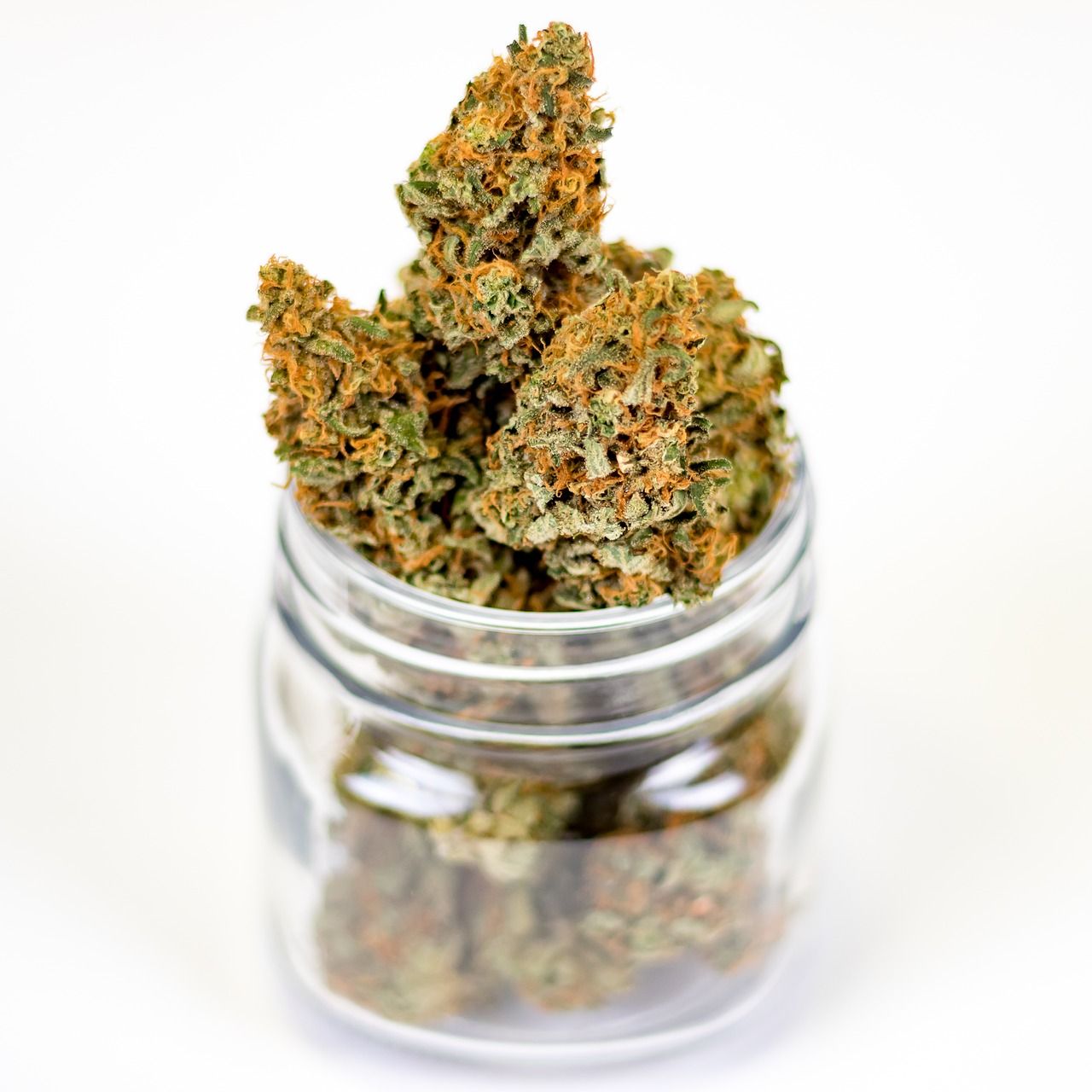
Integrating cannabis into a healthy routine starts with intentional, informed use that aligns with personal wellness goals. With a range of options including flower, edibles, tinctures, and topicals, choosing the right product depends on desired effects, duration, and individual tolerance. Many consumers explore microdosing cannabis, using small, controlled amounts to experience subtle benefits without overwhelming effects. Practicing moderation, often summarized as “start low, go slow,” is key to responsible cannabis use, especially for those new to cannabis or adjusting their routine. Cannabis can also complement wellness practices such as yoga, meditation, journaling, and time spent in nature, reinforcing a mindful approach to self-care. By being intentional about timing, dosage, and context, individuals can incorporate cannabis into a sustainable cannabis lifestyle (National Institutes of Health, 2020; Harvard Health Publishing, 2021).
Safety, Responsibility, and Personalization
Safe and effective cannabis use depends on individual factors such as body chemistry, tolerance, metabolism, and overall health, which means there is no one-size-fits-all approach. Practicing safe cannabis use starts with understanding proper dosing and how different cannabinoid profiles, including THC vs CBD, affect the body. Overconsumption, especially with high-THC products or edibles, can lead to unwanted effects like anxiety, dizziness, or impairment, making moderation essential. Avoiding the combination of cannabis with alcohol or other substances can help reduce risks and support more responsible cannabis consumption.
It is also important to stay informed about local laws and consider any personal health conditions or medications that may interact with cannabis. Consulting a healthcare professional can provide additional guidance, particularly for those using cannabis as part of a wellness routine. As research evolves, trusted organizations continue to emphasize education, moderation, and personalization to help individuals better understand potential cannabis risks while maintaining a balanced lifestyle (Centers for Disease Control and Prevention, 2024; National Institute on Drug Abuse, 2023).
Learn More: What Is Cannabis Tolerance and How Does It Develop?
The Role of Cannabis in a Holistic Wellness Routine
Cannabis can play a supportive role within a broader holistic wellness approach when viewed as one tool among many rather than a standalone solution. A well-rounded routine typically includes balanced nutrition, regular physical activity, quality sleep, and mental health care, all of which form the foundation of overall well-being. Cannabis may complement these habits by supporting relaxation or recovery, especially when incorporated into intentional practices. For example, some individuals include cannabis in meditation or evening routines to promote rest and mindfulness. When used thoughtfully, cannabis can enhance certain aspects of well-being without replacing essential health behaviors. Framing cannabis as part of a larger lifestyle strategy reinforces the importance of moderation, self-awareness, and long-term sustainability in achieving optimal cannabis wellness outcomes (National Institutes of Health, 2020; Harvard Health Publishing, 2021).
Finding Your Personal Balance
As wellness continues to evolve, cannabis is increasingly recognized as a customizable tool that may support a balanced lifestyle when used with intention and awareness. This article has explored how cannabis interacts with the body, its potential cannabis wellness benefits, and the importance of responsible, personalized use. From stress management to its role in a broader holistic wellness routine, cannabis can complement healthy habits when approached thoughtfully. By prioritizing mindfulness, moderation, and ongoing education, individuals can incorporate cannabis into a sustainable and health-conscious cannabis self-care routine (National Institutes of Health, 2020; Centers for Disease Control and Prevention, 2024).
References
- National Institutes of Health (NIH) – Cannabis (Marijuana) and Cannabinoids: https://nccih.nih.gov/health/marijuana
- World Health Organization (WHO) – Cannabidiol (CBD) Critical Review Report: https://www.who.int/publications/i/item/WHO-MSD-PSA-2018.5
- Centers for Disease Control and Prevention (CDC) – Cannabis and Public Health: https://www.cdc.gov/cannabis
- Harvard Health Publishing – Medical marijuana: https://www.health.harvard.edu/
- National Institute on Drug Abuse (NIDA) – Marijuana Research Report: https://nida.nih.gov/publications/research-reports/marijuana