
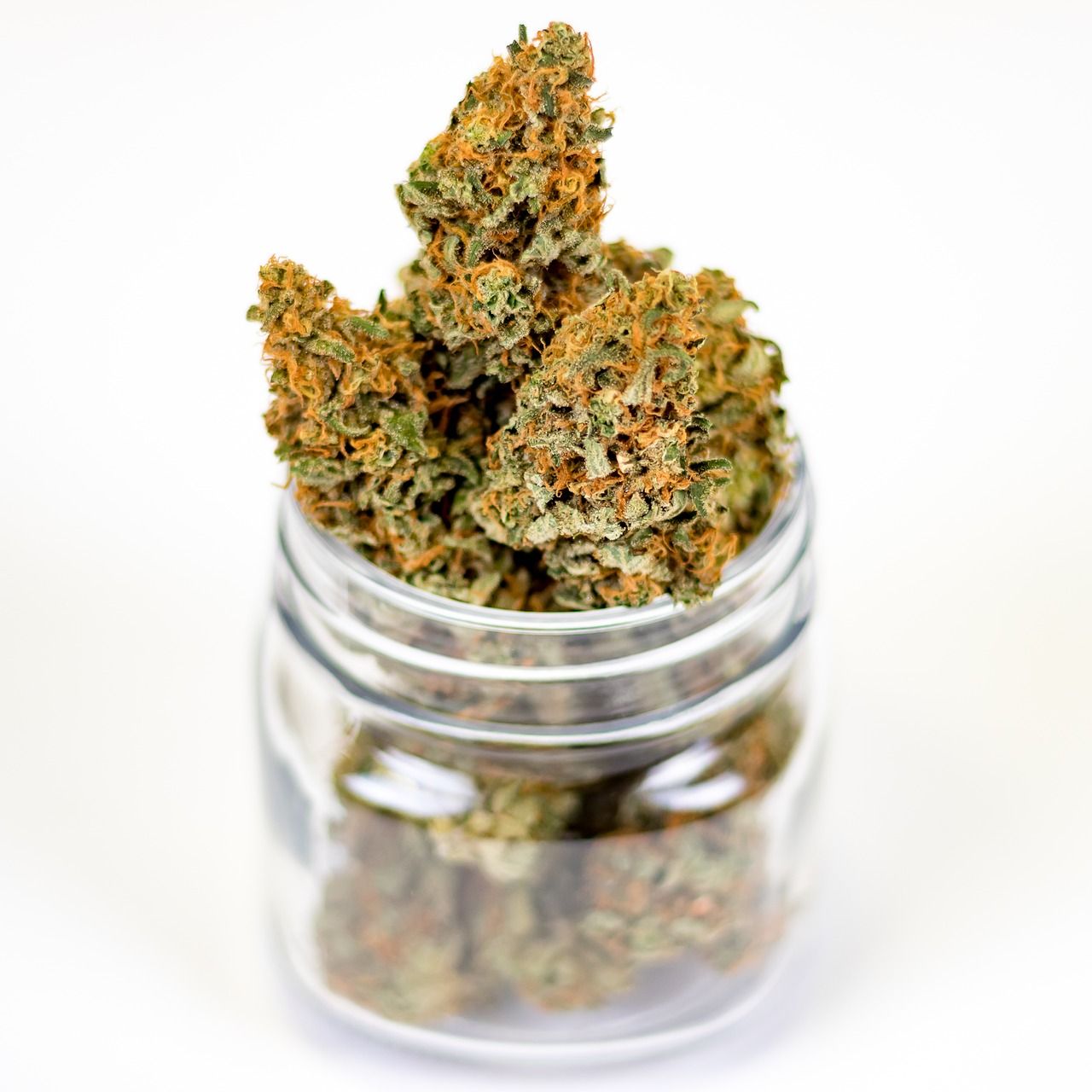
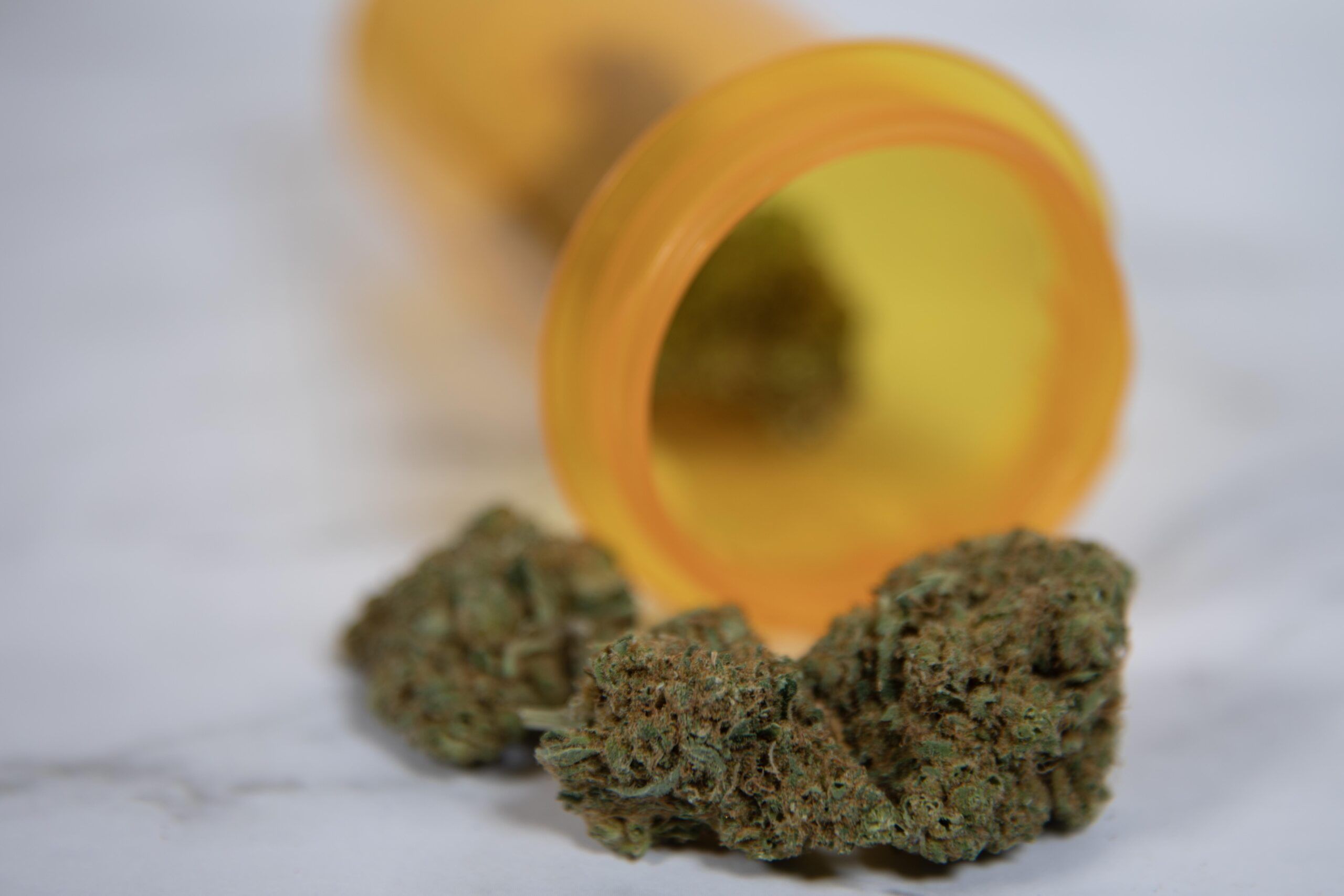
Medical cannabis has evolved into a regulated long-term treatment option in many regions, especially for chronic conditions rather than short-term symptom relief. A 2017 report from the National Academies of Sciences, Engineering, and Medicine found substantial evidence supporting cannabis for chronic pain, chemotherapy-induced nausea, and multiple sclerosis–related spasticity.¹ In addition, long-term cannabidiol, or CBD, therapy has demonstrated clear benefits in treatment-resistant epilepsy, leading to FDA approval of Epidiolex.² As more patients use medical cannabis for conditions such as chronic pain, epilepsy, PTSD, and cancer-related symptoms, understanding both the sustained benefits and potential long-term risks shaped by dosage, cannabinoid composition, and individual health factors is increasingly important. The shift from short-term symptom management to ongoing therapeutic use has prompted healthcare providers and researchers to examine cannabis more closely as a chronic treatment strategy rather than an occasional intervention.
Understanding Medical Cannabis: A Clinical Overview
Medical cannabis contains active compounds called cannabinoids, the most well known being tetrahydrocannabinol, or THC, and cannabidiol, or CBD. THC is the psychoactive component and can help relieve pain and chemotherapy-related nausea, while CBD does not cause intoxication and has proven effectiveness in certain forms of severe epilepsy.¹² Other cannabinoids, such as CBG and CBN, are being studied but currently have limited clinical evidence.
These compounds work through the body’s endocannabinoid system, or ECS, which helps regulate pain, mood, memory, appetite, and immune response. CB1 receptors are located mainly in the brain and nervous system, while CB2 receptors are concentrated in immune tissues.¹ In medical settings, cannabis is prescribed with controlled dosing and standardized formulations under supervision. This differs from recreational use and is an important distinction when evaluating safety, consistency, and long-term health outcomes.
Documented Long-Term Therapeutic Benefits
Long-term medical cannabis has demonstrated benefits across several chronic conditions. Strong evidence supports its use for chronic and neuropathic pain, and some studies suggest medical cannabis access may be associated with reduced opioid use in certain populations.¹ Cannabis-based treatments also reduce multiple sclerosis–related spasticity, and CBD has proven effective for treatment-resistant epilepsy.² Emerging research suggests possible benefits for PTSD, anxiety, sleep disturbances, and Parkinson’s symptoms, although further research is needed.
In cancer care, cannabis remains an established option for managing chemotherapy-induced nausea and vomiting.¹ It may also help stimulate appetite, reduce cancer-related discomfort, and improve overall quality of life for some patients undergoing treatment. These potential benefits contribute to its growing role in supportive and palliative care settings.
Potential Long-Term Risks and Adverse Effects
While therapeutic benefits exist, long-term medical cannabis use carries potential risks that vary by dose, potency, frequency of use, and individual vulnerability. Frequent use of high-THC products has been linked to difficulties with attention, memory, and executive function, particularly in adolescents and young adults whose brains are still developing.³ Long-term use may also lead to cannabis use disorder, especially among individuals who start young or use high-potency products. Physical dependence differs from addiction, which involves compulsive use despite harm.³⁴ Cannabis may increase the risk of psychosis in vulnerable individuals and should be used cautiously in patients with bipolar disorder or a family history of serious mental illness.³⁹
THC can temporarily increase heart rate and may pose risks for older adults or those with cardiovascular disease.⁵ Smoking cannabis is associated with chronic bronchitis symptoms such as cough and airway irritation, although a clear causal link to lung cancer has not been established.⁶ Route of administration plays an important role in respiratory risk, and non-combustible methods may reduce some pulmonary concerns.
Tolerance, Dosage Escalation, and Hormonal Considerations
Over time, repeated THC exposure can lead to tolerance, meaning higher doses may be needed to achieve the same effects due to CB1 receptor downregulation in the brain.³ For this reason, periodic dose reassessment is recommended to avoid unnecessary escalation. Research on long-term hormonal effects, including possible impacts on testosterone and fertility, remains limited and inconsistent.⁷ More comprehensive long-term studies are needed to clarify potential reproductive and endocrine implications.
Read More: What Is Cannabis Tolerance and How Does It Develop?
Special Populations
Certain groups require additional caution. Older adults may metabolize cannabis more slowly and often take multiple medications, increasing the risk of drug interactions, sedation, dizziness, and falls.³ Adolescents and young adults are more vulnerable because the brain continues developing into the mid-20s, and regular cannabis use during this period has been linked to cognitive and mental health risks.³⁸ Pregnant and breastfeeding individuals are advised against cannabis use, as THC crosses the placenta and passes into breast milk, potentially affecting fetal brain development and birth outcomes.¹⁰
Risk Mitigation Strategies for Long-Term Use
Risk mitigation is essential for long-term use. Regular medical supervision helps manage dosing, monitor side effects, and reassess therapeutic benefit over time.³ Choosing balanced THC to CBD products, avoiding high-potency THC formulations, and using non-smokable forms such as tinctures, capsules, or vaporization may reduce psychiatric and respiratory risks.³⁶ Screening for a personal or family history of psychosis or mood disorders is recommended before initiating therapy. In some cases, occasional tolerance breaks may help limit dose escalation and maintain therapeutic effectiveness.³
Current Gaps in Research
Despite growing clinical use, important research gaps remain. Past federal restrictions in the United States have limited large, high-quality clinical trials, making it more difficult to draw firm conclusions about long-term safety and effectiveness.¹ More longitudinal studies, standardized dosing protocols, and consistent product formulations are needed to clarify sustained benefits and better define long-term risk profiles.¹³
In Summary
Long-term medical cannabis use offers meaningful therapeutic benefits for conditions such as chronic pain, multiple sclerosis, and treatment-resistant epilepsy. However, it also carries identifiable risks that vary by patient characteristics, product potency, and method of use. An individualized treatment plan supported by ongoing medical oversight and evidence-based decision-making remains essential to maximize benefits while minimizing potential harm.
References
- National Academies of Sciences, Engineering, and Medicine. (2017). The Health Effects of Cannabis and Cannabinoids: The Current State of Evidence and Recommendations for Research. https://nap.nationalacademies.org/catalog/24625/the-health-effects-of-cannabis-and-cannabinoids-the-current-state-of-evidence-and-recommendations-for-research
- U.S. Food and Drug Administration (FDA). (2018). FDA approves first drug comprised of an active ingredient derived from marijuana to treat rare, severe forms of epilepsy (Epidiolex). https://www.fda.gov/news-events/press-announcements/fda-approves-first-drug-comprised-active-ingredient-derived-marijuana-treat-rare-severe-forms
- National Institute on Drug Abuse (NIDA). Cannabis (Marijuana) Research Report. https://nida.nih.gov/research-topics/cannabis-marijuana
- Centers for Disease Control and Prevention (CDC). Cannabis Use Disorder. https://www.cdc.gov/cannabis/health-effects/cannabis-use-disorder.html
- Page RL 2nd, et al. (2020). Medical Marijuana, Recreational Cannabis, and Cardiovascular Health: A Scientific Statement From the American Heart Association. Circulation. https://www.ahajournals.org/doi/10.1161/CIR.0000000000000883
- Centers for Disease Control and Prevention (CDC). Cannabis and Lung Health. https://www.cdc.gov/cannabis/health-effects/lung-health.html
- Gundersen TD, et al. (2015). Association Between Use of Marijuana and Male Reproductive Hormones and Semen Quality. American Journal of Epidemiology. https://academic.oup.com/aje/article/182/6/473/82686
- Centers for Disease Control and Prevention (CDC). Cannabis and Teens. https://www.cdc.gov/cannabis/health-effects/teens.html
- Di Forti M, et al. (2019). The contribution of cannabis use to variation in the incidence of psychotic disorder across Europe (EU-GEI study). The Lancet Psychiatry. https://www.thelancet.com/journals/lanpsy/article/PIIS2215-0366(19)30048-3/fulltext
- American College of Obstetricians and Gynecologists (ACOG). (2017, reaffirmed 2021). Marijuana Use During Pregnancy and Lactation. https://www.acog.org/clinical/clinical-guidance/committee-opinion/articles/2017/10/marijuana-use-during-pregnancy-and-lactation
- Centers for Disease Control and Prevention (CDC). Cannabis Use and Pregnancy. https://www.cdc.gov/marijuana/health-effects/pregnancy.html